Patterns of User Retention Linked to Variable Reel Speed Adjustments in Handheld Gambling Interfaces
Jordan Schmitt · Aug 25, 2026

Patterns of User Retention Linked to Variable Reel Speed Adjustments in Handheld Gambling Interfaces
Handheld gambling interfaces have incorporated variable reel speed adjustments as a core feature in many reel-based applications, and researchers tracking user behavior have documented distinct patterns connecting these settings to session duration and return rates. Data collected across multiple platforms shows that players who modify reel speeds experience measurable differences in how long they remain active compared to those using default configurations, with moderate adjustments often correlating to extended engagement periods.
Understanding Reel Speed Mechanics in Mobile Environments
Variable reel speed adjustments allow users to control the rotation velocity of symbols on digital reels through simple interface toggles or sliders, and this functionality has become standard in applications designed for smartphones and tablets since developers integrated them to accommodate diverse player preferences. Studies conducted on portable wagering systems reveal that slower speeds provide extended visual feedback during each spin cycle while faster options compress the animation timeline, and these variations influence how frequently individuals initiate new rounds without prompting from the software itself.
Analyses from industry reports indicate that in August 2026 several major platforms released updates refining these controls based on aggregated session metrics, and the changes addressed both input latency issues on different device models and compatibility with emerging operating system versions. Observers note that retention metrics improve when speed options align with typical user interaction rhythms on smaller screens, where precise tapping and scrolling behaviors differ from desktop counterparts.
Documented Retention Patterns Across User Groups
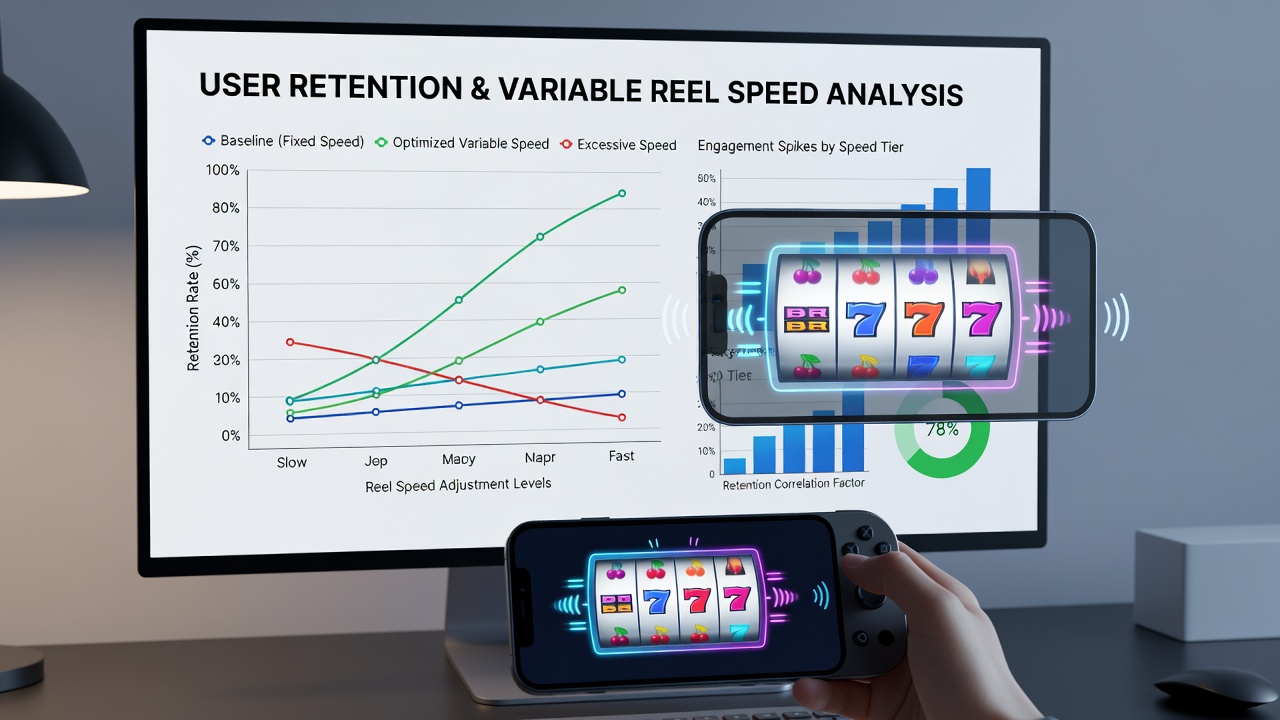
Research tracking thousands of active accounts demonstrates that individuals selecting mid-range reel speeds maintain consistent play intervals over multi-week periods, whereas those defaulting to maximum speeds show higher initial activity that tapers off more rapidly after the first few sessions. Figures from platform analytics further suggest that gradual speed increases during longer sessions help sustain attention without triggering abrupt exits, and this pattern holds across various demographic segments examined in longitudinal data sets.
One analysis of handheld systems found correlations between incremental speed tweaks and reduced bounce rates, meaning users return to the application on subsequent days at higher percentages when they experiment with custom settings early in their usage history. Evidence from these examinations points to the role of perceived control, as players who adjust speeds report feeling more involved in the outcome flow even though the underlying random number generation remains unchanged regardless of animation pace.
Device-Specific Factors Influencing Outcomes
Handheld interfaces operate under constraints related to screen size, touch sensitivity, and battery performance, and these elements interact with reel speed settings in ways that affect overall retention. Faster reel rotations demand higher processing resources on certain devices, which can lead to frame drops or heating issues that interrupt sessions, while slower speeds conserve energy and allow uninterrupted play on older hardware models still in circulation.
According to findings shared by the Nevada Gaming Control Board, mobile gaming operators have submitted compliance data showing how speed customization tools reduce technical complaints that previously prompted users to abandon applications. Similar observations appear in reports from Canadian provincial regulators, where cross-device testing highlighted the importance of adaptive speed algorithms that respond to network conditions and hardware capabilities without manual intervention.
Behavioral Data and Platform Adjustments in 2026
Platform operators have responded to retention insights by introducing preset speed profiles tailored to session length indicators, and these automated suggestions have produced measurable upticks in return visits during the summer months of 2026. Data compiled through August of that year shows that users guided toward balanced speeds completed more spins per session on average without corresponding increases in total wagering volume, suggesting the feature supports prolonged but controlled engagement.
Academic examinations published in gambling technology journals have explored how visual pacing influences cognitive load during repeated interactions, and results indicate that mismatched speeds can accelerate fatigue on compact displays where eye movement patterns differ from larger formats. Those examining the data emphasize the value of A/B testing across geographic regions because cultural differences in gaming pace preferences emerge clearly when speed options are made available.
Conclusion
Patterns linking variable reel speed adjustments to user retention continue to guide development priorities in handheld gambling interfaces as operators refine tools based on accumulating evidence. Continued monitoring through regulatory channels and academic partnerships provides clearer pictures of how these mechanics shape long-term participation across diverse device ecosystems and user cohorts.