Jamaica Senate Approves Game-Changing Casino Resort Regulations Post-Hurricane Recovery
Jamaica Senate Approves Game-Changing Casino Resort Regulations Post-Hurricane Recovery

Hurricane Melissa's Impact Sets Stage for Bold Economic Moves
Hurricane Melissa slammed into Jamaica's shores in October 2025, leaving a trail of devastation that battered tourism infrastructure, wrecked coastal properties, and strained the island's economy just when visitor numbers were climbing steadily; experts note that such storms often cripple Caribbean nations for months, yet Jamaica's leaders moved swiftly to chart a recovery path. Tourism, which accounts for a significant chunk of the GDP, took the hardest hit with resorts shuttered, flights disrupted, and beaches eroded, but now, barely six months later, the Senate's approval of new casino regulations signals a strategic pivot toward large-scale entertainment hubs. These Integrated Resort Destinations, or IRDs, aim to draw high-rollers and families alike, injecting fresh revenue into rebuilding efforts while positioning Jamaica as a premier gaming destination in the region.
What's interesting here is how the government tied these approvals directly to hurricane recovery; data from local economic reports highlight that Melissa caused billions in damages, prompting officials to amend the Casino Gaming Act without delay. And so, on April 18, 2026, the Senate gave the green light to regulations that expand far beyond the old limits on tiny gaming rooms tucked inside hotels, allowing sprawling casino floors integrated with luxury accommodations, spas, and entertainment venues that could rival those in the Bahamas or even Las Vegas.
Breaking Down the New IRD Regulations: What's Allowed and What's Required
Under the amended Casino Gaming Act, IRDs must meet strict criteria to operate, starting with a mandatory 10% share of their monthly gross gaming revenue funneled straight back to the government; this fee structure, observers point out, ensures steady funding for public services and recovery projects, while developers gain the freedom to build casino spaces exceeding 5,000 square feet— a massive leap from prior caps that confined gaming to modest parlors. Developers also commit to job creation targets, infrastructure upgrades, and sustainable practices, such as eco-friendly designs that blend with Jamaica's natural beauty, since the ball's in their court to prove these resorts won't strain local resources.
But here's the thing: these aren't standalone casinos; IRDs emphasize "integrated" experiences where gaming complements hotels, retail, dining, and events, drawing crowds year-round rather than seasonally. Regulations mandate that at least 60% of the property's footprint dedicates to non-gaming amenities, a nod to family tourism that Jamaica has long championed; take one provision that requires on-site theaters and convention centers, which experts say could host international events and boost occupancy during off-peak months battered by Melissa's aftermath.
- 10% monthly gross gaming revenue contribution to national treasury
- Casino floors over 5,000 sq ft, unlimited upper bounds for approved sites
- Minimum 60% non-gaming space (hotels, spas, retail)
- Local hiring quotas and community investment pledges
- Environmental impact assessments before groundbreaking
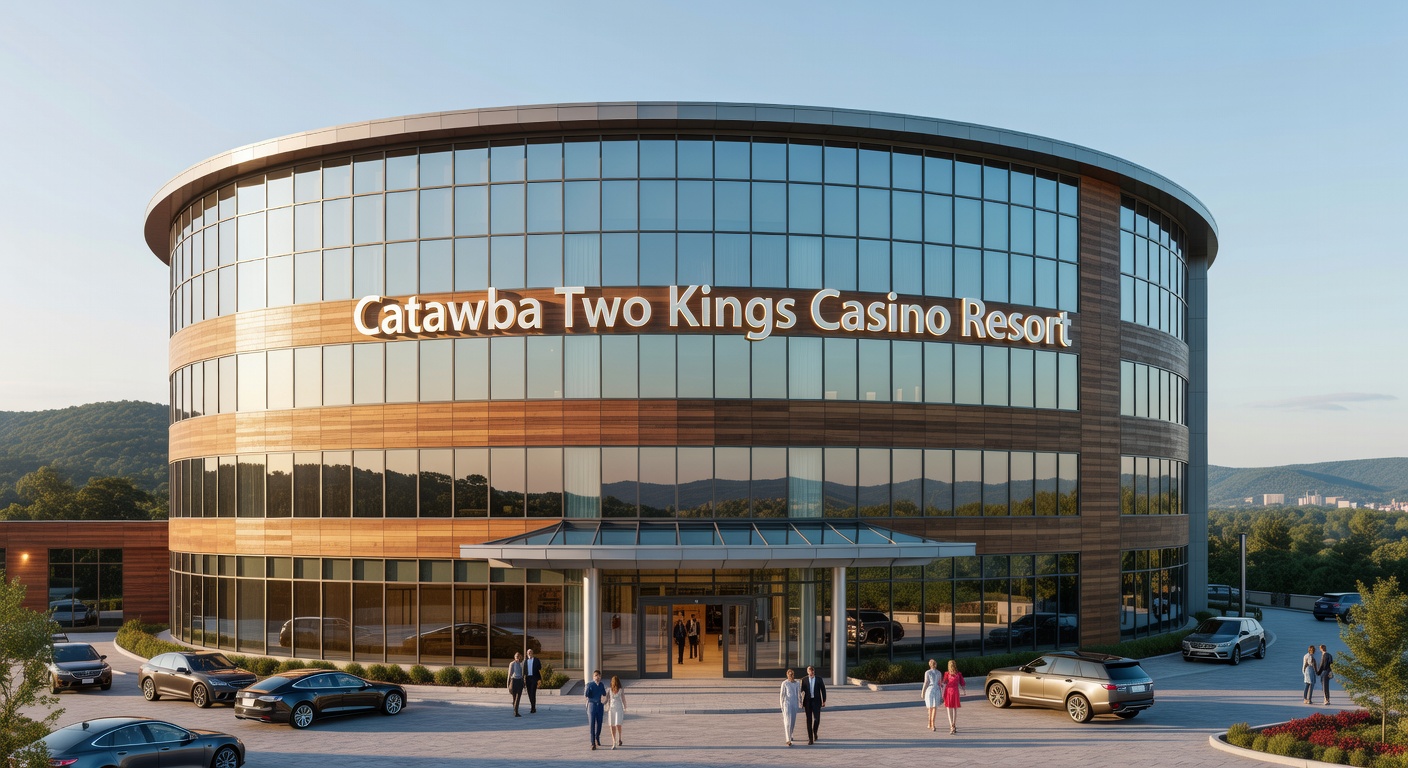
Key Players Positioning for IRD Opportunities in Montego Bay and Beyond
Properties like the Princess Grand Jamaica, already a fixture on the north coast, are retooling their plans to fit the new IRD mold, expanding gaming floors while enhancing beachfront villas and water parks that withstood Melissa's fury; similarly, the upcoming Hard Rock Hotel & Casino in Montego Bay gears up to anchor the area's revival, with construction accelerating post-approval since developers eye a 2027 opening packed with rock-themed entertainment and high-stakes poker rooms. According to Casino.org, these projects could generate thousands of jobs, from croupiers to chefs, funneling wages into communities still mending from the storm.
Montego Bay, Jamaica's tourism heartbeat, stands to benefit most; one study from regional analysts reveals that casino resorts in similar markets lift visitor spending by 25-30%, and with IRDs, that figure might climb higher since they're bundling gaming with all-inclusive packages popular among North American travelers. Yet, it's not just about slots and blackjack—developers promise cultural infusions like reggae lounges and jerk kitchens, keeping the Jamaican vibe alive amid the glitz. People who've watched Caribbean gaming expansions know that success hinges on marketing; Jamaica's tourism board already ramps up campaigns highlighting these resorts as phoenixes rising from Melissa's wreckage.
Turns out, international operators are circling too; whispers among industry insiders point to potential partnerships with Asian firms experienced in integrated resorts, although regulations prioritize Jamaican ownership stakes to safeguard local interests. That's where the rubber meets the road for skeptics who worry about foreign dominance, but data from the approval announcement stresses built-in safeguards like revenue transparency and anti-money laundering protocols.
Tourism Revival: How Casinos Fit into Jamaica's Post-Storm Strategy
Jamaica's tourism sector, which welcomed over 4 million visitors pre-Melissa, dipped sharply after the hurricane, with hotel occupancy plunging 40% in Q4 2025; now, IRDs enter the picture as a catalyst, projected to add 500,000 annual guests by drawing gamblers who spend more per trip than average sun-seekers. Experts who've studied recovery models in hurricane-hit spots like Puerto Rico observe that gaming anchors long-term growth, stabilizing revenues even when flights falter or seasons shift; plus, these resorts promise to modernize aging infrastructure, from marinas to roads, all funded partly by that 10% gaming cut.
And while some locals voice concerns over gambling's social impacts, regulations include responsible gaming mandates—think self-exclusion programs and addiction hotlines—mirroring setups in established markets. It's noteworthy that the Senate fast-tracked this amid April 2026's economic pressures, with unemployment lingering at 12% in tourism hubs; one case from the Bahamas shows how casino resorts slashed recovery timelines by half, a blueprint Jamaica appears to follow closely.
So, as construction crews mobilize, Montego Bay's skyline hints at transformation; Princess Grand's upgrades, for instance, include a 10,000 sq ft casino wing opening by year's end, blending digital slots with live reggae bands to lure millennials alongside boomers. Observers note this timing feels perfect, capitalizing on pent-up demand from U.S. and European markets eager for exotic escapes post-pandemic and post-storm.
Challenges Ahead and Safeguards in Place
Not everything's smooth sailing, though; environmentalists flag risks to coral reefs near proposed sites, prompting mandatory studies that could delay shovels in the ground, while labor groups push for ironclad wage protections amid the hiring boom. Regulations counter this with clauses requiring 75% local staffing and profit-sharing pilots for communities, ensuring the windfall trickles down rather than pooling at the top. Data indicates that well-regulated IRDs elsewhere boost GDPs by 2-5% without spiking crime, a stat Jamaican officials tout in public briefings.
Here's where it gets interesting: competition from neighbors like the Dominican Republic looms, but Jamaica's edge lies in its vibe—think Blue Mountains views from penthouse suites paired with blackjack tables, an unbeatable combo. Those who've tracked the Casino Gaming Act's evolution since 2022 know amendments like these mark a decade-long shift from conservative policies to embracing gaming as economic rocket fuel.
Looking Forward: IRDs as Jamaica's Recovery Beacon
In the end, the Senate's April 18, 2026, nod to IRD regulations stands as a calculated bet on tourism's resilience, channeling casino revenues into healing Hurricane Melissa's scars while supercharging Montego Bay's allure; projects like Hard Rock and Princess Grand lead the charge, promising jobs, glamour, and growth that could redefine Jamaica's place on the global map. As developers break ground and visitors book stays, the island's story shifts from survival to resurgence—one spin, one deal at a time. Figures from early projections suggest a $1.2 billion economic lift over five years, underscoring why this move resonates far beyond gaming floors.