How Vintage Fruit Symbols Have Been Reinterpreted Across Generations of Mobile Gaming Software and Continue to Influence Design Choices in Regulated Markets
Lars Foster · Aug 20, 2026
How Vintage Fruit Symbols Have Been Reinterpreted Across Generations of Mobile Gaming Software and Continue to Influence Design Choices in Regulated Markets
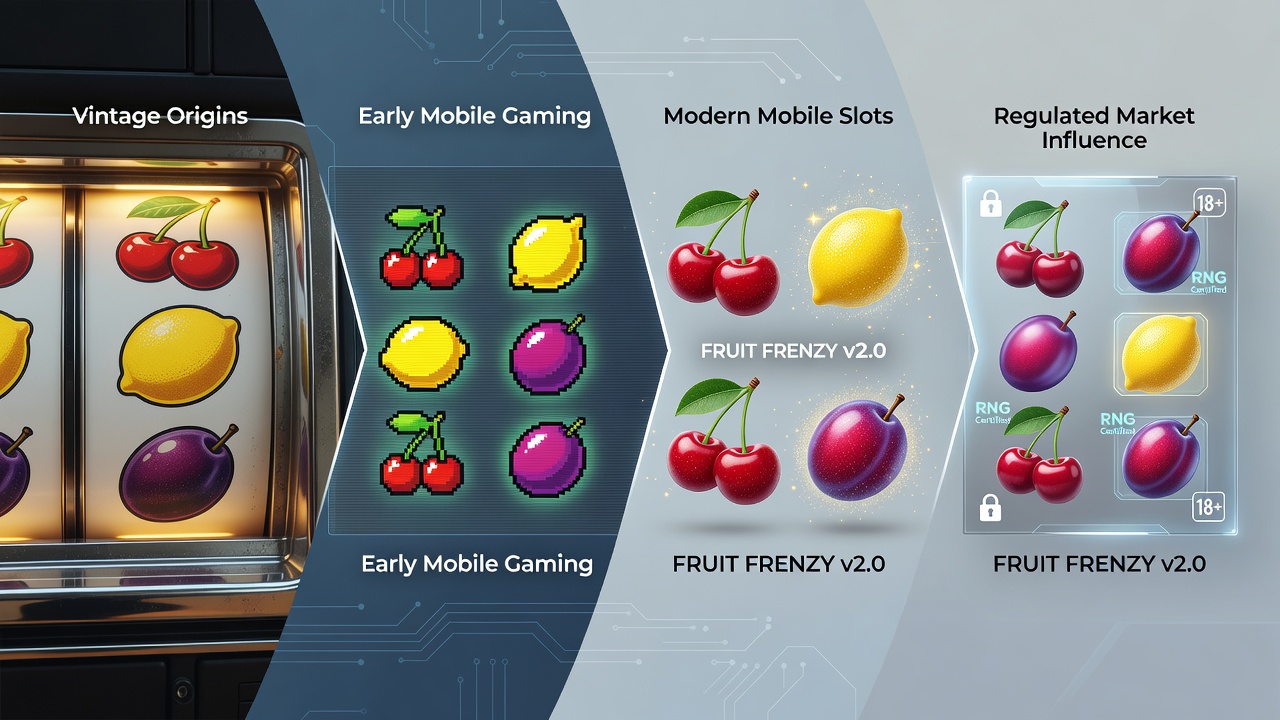
Fruit symbols such as cherries, lemons, oranges, and plums trace their roots to mechanical slot machines from the early twentieth century, where they served as simple visual markers on physical reels, and those same icons have carried forward through multiple technological shifts into today's mobile gaming applications. Software developers have adapted these elements by layering them with new graphical treatments while preserving core recognition patterns that players across different age groups continue to identify quickly during play sessions.
Origins and Early Digital Transitions
Mechanical designs from companies like Mills Novelty introduced fruit imagery to represent flavored gum prizes in the 1910s, establishing a visual shorthand that later migrated to electromechanical devices in the 1960s and 1970s, and when digital reels replaced physical ones in the 1980s and 1990s, programmers retained the classic seven-segment style fruit set because it required minimal processing power yet delivered immediate familiarity. Data from early video slot deployments in Nevada casinos showed that machines featuring updated fruit graphics maintained higher repeat play rates compared to those with abstract themes, according to records maintained by the Nevada Gaming Control Board.
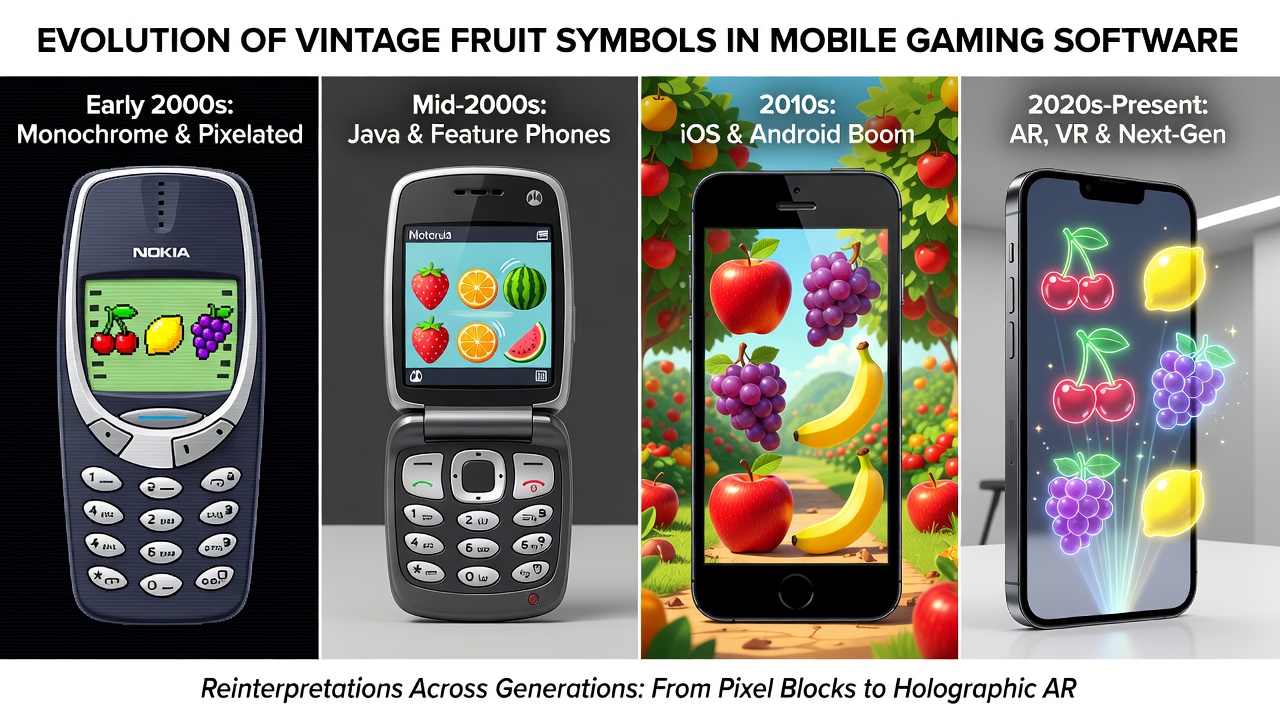
By the mid-2000s, online platforms began rendering fruit symbols with basic 2D animations, yet the underlying icon set stayed consistent with historical precedents; this continuity allowed operators to meet jurisdictional requirements for recognizable payout structures without introducing entirely novel visual systems that regulators might scrutinize more closely.
Mobile Software Adaptations Since 2015
Mobile gaming software expanded these reinterpretations further once smartphones became primary access points, with developers applying 3D modeling, particle effects, and responsive scaling so that cherries could appear to glisten under virtual lighting or rotate with depth as reels spun on smaller screens. Research from industry reports indicates that between 2018 and 2024, titles incorporating stylized fruit elements accounted for a measurable share of downloads in markets where operators must demonstrate clear, non-misleading visuals to licensing authorities.
One developer team working on a 2022 release combined traditional lemon and bar symbols with neon color palettes and subtle particle trails, allowing the icons to transition smoothly between portrait and landscape modes while still aligning with payout tables that regulators review for transparency. Such modifications demonstrate how legacy symbols function as stable anchors even as technical capabilities advance.
Regulatory Market Influences in 2026
Regulated markets impose specific constraints on symbol design, requiring that icons remain distinguishable at various screen resolutions and that win evaluations stay consistent across devices, and fruit symbols satisfy these criteria because their shapes have been standardized through decades of use. In August 2026, updates to compliance frameworks in several North American jurisdictions emphasized the need for visual continuity in mobile titles, prompting studios to revisit fruit-based themes when launching new products that must pass certification testing for both iOS and Android platforms.
Observers note that Canadian provincial regulators, including those overseeing operations in Ontario, have referenced historical symbol sets in guidance documents because they reduce the learning curve for new participants and support responsible gaming messaging that appears alongside gameplay. Similar patterns appear in Australian state-level oversight, where visual clarity standards favor established iconography over experimental designs that could obscure payout information.
Cross-Generational Player Recognition Patterns
Studies tracking engagement metrics reveal that players born before 1980 often gravitate toward titles preserving near-original fruit aesthetics, whereas younger cohorts respond positively when those same symbols receive metallic finishes, holographic overlays, or integration with character animations. This dual appeal allows operators to maintain a single core asset library that branches into multiple visual variants, thereby streamlining development pipelines while satisfying diverse demographic preferences within regulated environments.
Software updates released in early 2026 incorporated machine-learning tools that dynamically adjust fruit symbol saturation based on device display profiles, ensuring compliance with accessibility guidelines that several European and North American authorities enforce. The approach keeps the symbols instantly identifiable yet refreshed enough to feel contemporary across successive hardware generations.
Conclusion
Vintage fruit symbols persist as foundational design components because they balance regulatory demands for clarity with the technical flexibility required by mobile software iterations, and their continued presence in 2026 releases underscores how historical visual conventions adapt without losing functional identity. Operators and developers alike rely on this lineage when introducing updates that must navigate certification processes across multiple jurisdictions simultaneously.