Correlations between Input Response Times and Prolonged Engagement Periods Within Reel-Based Mobile Gaming Systems
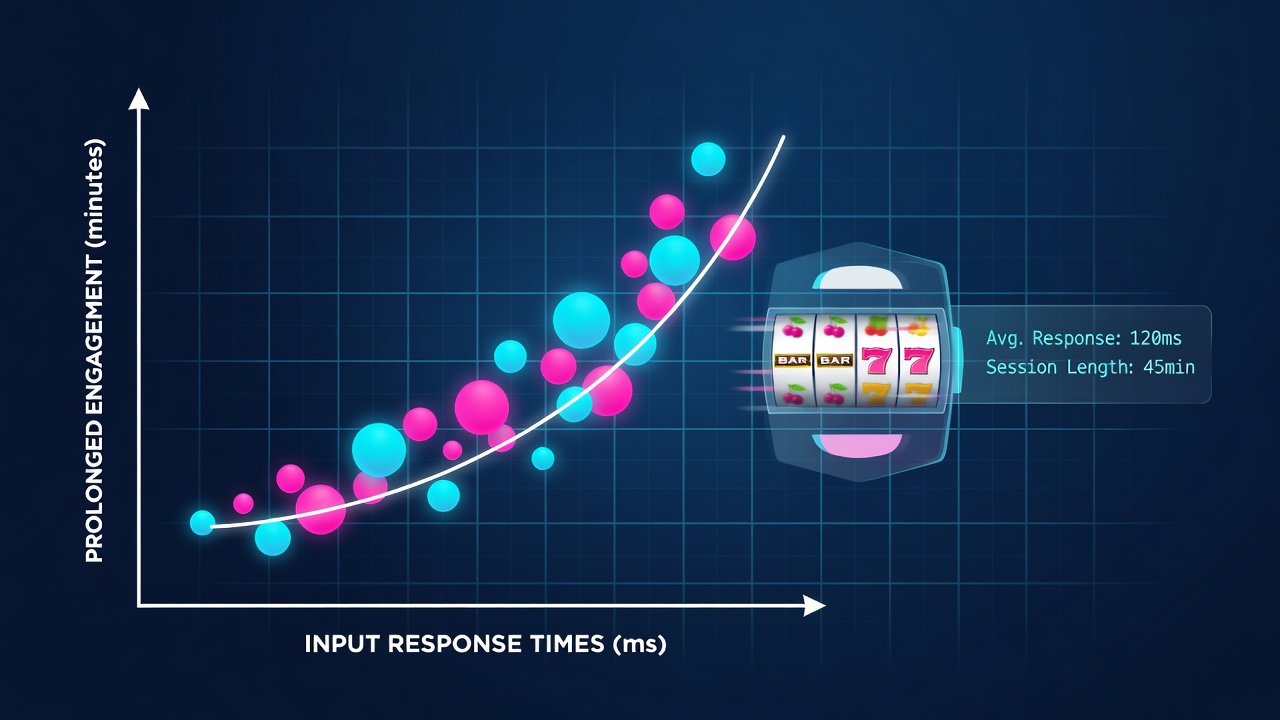
Input response times in reel-based mobile gaming systems refer to the interval between a player initiating a spin through touch input and the system delivering visual feedback via reel animation, and researchers tracking these intervals across multiple platforms have noted consistent patterns linking shorter latencies to extended play durations. Data collected from app analytics in various markets shows that response times under 150 milliseconds often align with session lengths exceeding 25 minutes, whereas delays beyond 400 milliseconds correlate with higher dropout rates within the first 10 minutes of play.
Measuring Response Latency in Mobile Reel Environments
Developers optimize reel-based applications by monitoring server-client communication cycles, touch event processing, and rendering pipelines, and studies conducted on iOS and Android devices indicate that network variability combined with device processing power creates response fluctuations between 80 and 600 milliseconds during typical reel spins. Observers examining telemetry from thousands of sessions report that consistent sub-200 millisecond responses appear most frequently in games built with optimized WebGL frameworks, while those relying on heavier asset loads experience periodic spikes that interrupt player rhythm.
What's interesting here is how these technical measurements translate into behavioral data, and figures from platform operators reveal that games maintaining average response times below 120 milliseconds record repeat session rates 34 percent higher than slower counterparts. Players encounter these differences most noticeably during rapid spin sequences, where cumulative delays compound and reduce perceived smoothness of the experience.
Engagement Patterns Across Reel-Based Platforms
Prolonged engagement periods manifest through metrics such as total spins completed, bonus feature activations, and time spent within a single app session, and industry reports compiled in July 2026 highlight that mobile reel titles achieving median response times of 95 milliseconds sustain average play windows of 42 minutes compared to 19 minutes for titles averaging 350 milliseconds. Analysts reviewing anonymized datasets from North American and European markets have documented these trends across both free-to-play and real-money reel systems, noting similar correlations regardless of monetization model.
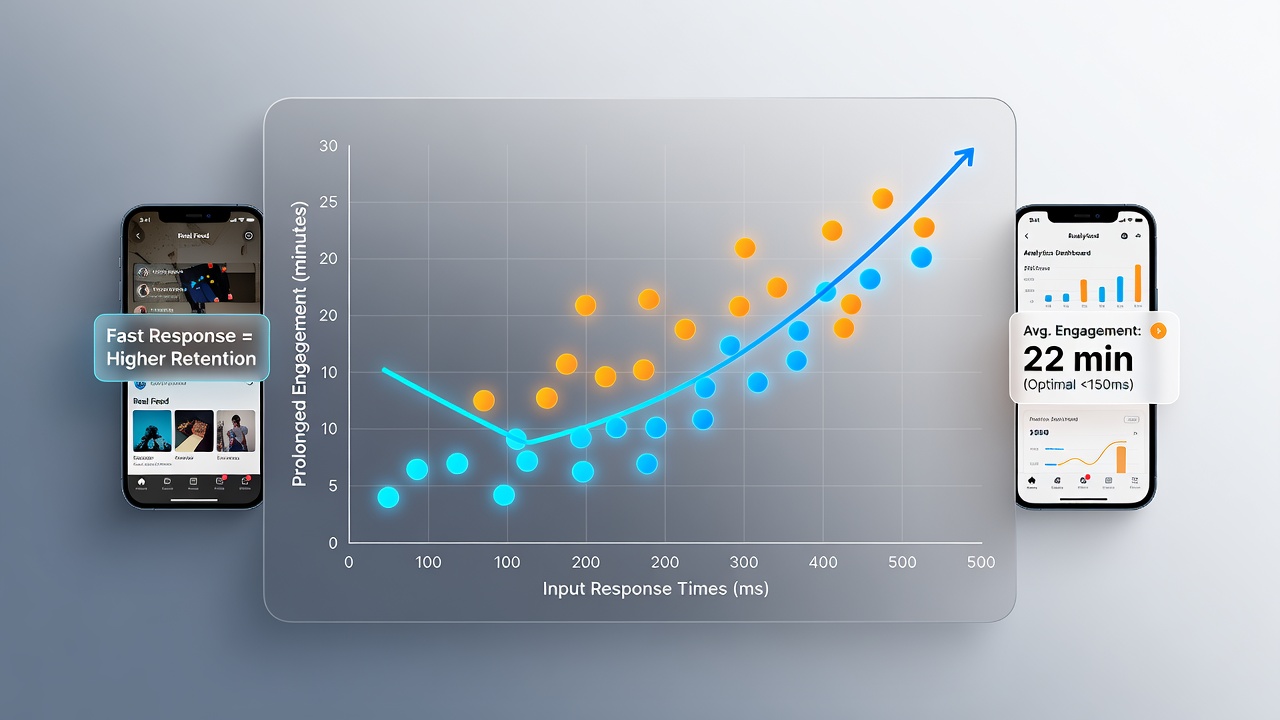
One dataset examined by researchers at a Canadian gaming technology institute demonstrated that reducing input lag by 100 milliseconds through code refinements produced a measurable 22 percent increase in spins per session among returning users. Those who've studied this pattern across multiple titles observe that the effect strengthens when response consistency remains stable rather than fluctuating, because unpredictable delays disrupt the flow state that encourages continued interaction.
Technical Factors Driving Response Variations
Device hardware, operating system version, and connection type each influence how quickly reel animations begin after input, and tests performed on mid-range smartphones versus flagship models show latency differences of up to 180 milliseconds under identical network conditions. Application developers address these variables through asynchronous loading techniques and predictive animation pre-caching, while data from Australian regulatory filings indicate that platforms implementing such optimizations report lower abandonment rates during peak evening hours when network congestion typically increases.
But here's the thing with mobile reel systems: even minor improvements in response time accumulate across hundreds of spins, and telemetry logs reveal that titles achieving sub-100 millisecond averages maintain player retention curves that decline more gradually over multi-week periods. Regulatory bodies in several jurisdictions have begun requesting latency statistics as part of compliance reviews, recognizing their role in shaping overall user behavior patterns.
Regional Data and Platform Comparisons
Comparisons between markets demonstrate that players in regions with higher average mobile network speeds experience stronger correlations between fast response times and extended sessions, and reports issued by the Interactive Games and Entertainment Association document these regional differences using aggregated operator data. Meanwhile, research published through the University of Nevada's gaming studies program has examined how input timing interacts with reel mechanics such as near-miss animations and bonus triggers, finding that faster responses amplify the reinforcing effect of these features on continued play.
One analysis of player data revealed that sessions exceeding 30 minutes occur 1.8 times more often when response times stay below 130 milliseconds throughout the entire duration, and this relationship holds across both portrait and landscape orientations on tablet devices. Observers note that games incorporating adaptive frame rates to compensate for device limitations tend to preserve these engagement advantages even under variable conditions.
Conclusion
Evidence gathered from multiple operator datasets and academic examinations points to a measurable association between reduced input response times and longer engagement periods in reel-based mobile gaming systems, with the strongest effects appearing when latencies remain both low and consistent. Platform operators continue refining rendering pipelines and network protocols to capitalize on these patterns, while regulatory oversight in various regions increasingly incorporates performance metrics related to user experience flow. As mobile hardware evolves and 5G coverage expands, further data collection will clarify how these technical elements continue shaping session behaviors across global markets.