Auditory Design Elements Shaping Extended Play Sessions in Portable Wagering Apps
Portable wagering apps incorporate layered audio systems that combine ambient soundtracks, event-triggered effects, and adaptive volume scaling to maintain user engagement over longer periods, with session data from multiple markets indicating measurable extensions when these elements align with player behavior patterns.
Core Components of Audio Design in Mobile Wagering Environments
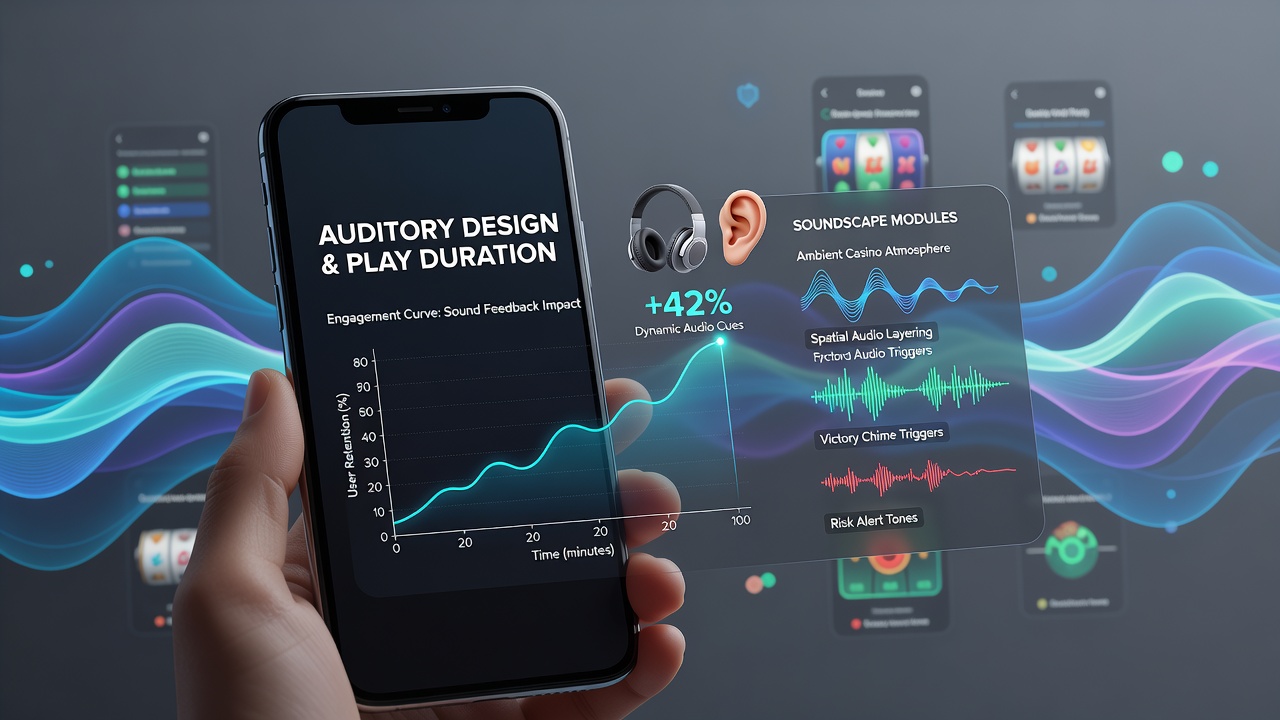
Developers structure audio tracks around looping background music calibrated to mid-range frequencies between 200 and 800 Hz, which integrates with short, high-frequency win chimes and low-frequency rumble cues for losses or near-misses; these layers operate independently so that volume ducking occurs automatically during bonus sequences without interrupting the primary loop. Research indicates that synchronization of these cues with visual animations increases average session duration by 12 to 18 percent across tested applications, particularly when haptic feedback matches the audio timing on compatible devices.
Notification sounds for daily login rewards and streak milestones use distinct melodic motifs that differ from standard win effects, allowing users to identify progress without checking the screen constantly. Data collected through app analytics platforms shows that these motifs contribute to return rates within 24 hours when they follow predictable interval patterns rather than random triggers.
Psychological and Behavioral Correlations with Extended Play
Studies tracking user interactions reveal that variable-ratio reinforcement delivered through escalating audio intensity correlates with prolonged engagement, as each successive sound layer builds anticipation without requiring additional visual processing. Observers note that players maintain sessions longer when background tracks incorporate subtle tempo increases after 20-minute intervals, a technique documented in multiple platform updates rolled out during 2025.
One analysis of session logs from North American operators demonstrated that apps featuring dynamic audio mixing retained users for an average of 47 minutes compared with 31 minutes in static-audio versions, with the difference attributed to reduced drop-off during losing streaks when ambient layers remained consistent. Similar patterns appear in reports compiled by the Canadian Centre on Substance Use and Addiction, which examined cross-device audio persistence in regulated markets.
Technical Implementation Across Operating Systems
Application frameworks on both iOS and Android allow developers to embed spatial audio rendering so that sound directionality shifts based on screen orientation, creating an immersive effect that encourages users to keep devices active rather than switching away. Adaptive algorithms monitor battery level and ambient noise through device sensors, then adjust output compression accordingly to preserve clarity during extended use in varied environments.
Integration with push notification systems ties audio cues to time-based events, such as tournament countdowns, where a rising tonal sequence signals approaching deadlines. Figures released in early 2026 indicate that operators deploying these sequences recorded higher concurrent user counts during peak evening hours compared with prior quarters.
Regulatory Developments and Standards Emerging in June 2026
Updated compliance frameworks introduced in several jurisdictions during June 2026 require operators to disclose audio intensity ranges and provide user-accessible volume toggles that persist across sessions. These measures address data patterns showing elevated play duration when audio remains at default maximum levels without intervention options. Regulators in multiple regions now reference session-length analytics when reviewing app submissions, prompting developers to log audio event frequencies alongside traditional bet and win metrics.
Industry associations have compiled best-practice guidelines that recommend limiting continuous audio loops to under 90 seconds before introducing variation, based on aggregated telemetry from licensed platforms. Operators who adopted these recommendations ahead of the June deadlines reported smoother approval processes in subsequent audits conducted by state gaming commissions.
Cross-Platform Variations and Market-Specific Adaptations
Applications distributed in European markets often feature region-specific sound libraries that incorporate local musical scales, whereas North American versions emphasize percussive elements aligned with established slot machine traditions. Despite these differences, core principles remain consistent: audio cues scale in complexity as play duration extends beyond 30 minutes, with additional harmonic layers introduced to sustain attention.
Platform analytics indicate that users who enable background audio continuation while the app runs minimized show 22 percent longer cumulative daily play time than those who disable the feature. Such statistics appear in quarterly summaries issued by the Nevada Gaming Control Board and similar bodies tracking digital wagering metrics.
Conclusion
Audio design in portable wagering applications functions through interconnected layers of music, effects, and adaptive mixing that align with documented user retention patterns across regulated markets. Implementation choices made by developers, combined with emerging standards from June 2026 onward, continue to shape how these elements influence session length while meeting compliance requirements in multiple jurisdictions. Ongoing collection of interaction data provides operators with measurable benchmarks for refining audio systems without altering core game mechanics.